The French Riviera is one of Europe’s most iconic destinations, combining glamorous resorts, charming villages, turquoise waters, and world-famous cultural attractions. From the elegant streets of Cannes and Monaco to the colorful alleys of Menton and Antibes, this stunning stretch of the south of France offers unforgettable experiences for every traveler.
Whether you’re planning a weekend escape or a longer adventure, this French Riviera travel guide will help you discover the best destinations, build the ideal itinerary, and make the most of your time exploring the Mediterranean coast. If you’re looking for a complete guide to the French Riviera, you’ve come to the right place.
Table of Contents
- What Makes the French Riviera So Special?
- When Is the Best Time to Visit the French Riviera?
- How Many Days in Nice Should You Spend?
- Why Is Antibes One of the Most Charming Riviera Towns?
- Is Cannes Worth Visiting Beyond the Film Festival?
- What Should You See in Monaco and Monte Carlo?
- Why Visit Villefranche-sur-Mer on Your French Riviera Trip?
- Is Menton the Most Beautiful Town Near the Italian Border?
- Which Villages and Hilltop Gems Should You Explore?
- What Is the Perfect French Riviera Itinerary?
What Makes the French Riviera So Special?
The French Riviera, also known as the Côte d’Azur, has attracted artists, royalty, and travelers for generations. Stretching from the Italian border to the glamorous resorts west of Nice, the region combines natural beauty with cultural sophistication. The sparkling Mediterranean Sea, picturesque harbors, and elegant architecture create an atmosphere unlike anywhere else in Europe.
One reason the French Riviera remains so popular is its diversity. You can spend the morning relaxing on a beach, enjoy lunch in a historic old town, and finish the day in a scenic hilltop settlement overlooking the coast. Few destinations offer such a variety of experiences within short distances.
The region is also famous for its art, cuisine, and lifestyle. Visitors encounter museums dedicated to Picasso, charming markets selling local produce, and waterfront restaurants serving fresh seafood and authentic French cooking. The combination of culture and scenery makes the French Riviera a dream destination.
When Is the Best Time to Visit the French Riviera?
The best time to visit the French Riviera depends on your travel style. Spring and early autumn offer pleasant temperatures, fewer crowds, and ideal conditions for sightseeing. These seasons are particularly attractive for travelers who want to enjoy both the coast and the inland village landscapes.
Summer brings sunshine and lively energy to every beach and marina. Popular destinations such as Cannes, Antibes, and Monaco become vibrant centers of activity. Visitors can enjoy outdoor dining, festivals, and numerous waterfront events.
Winter is quieter but still attractive thanks to the region’s mild climate. The time to visit ultimately depends on whether you prefer cultural exploration, seaside relaxation, or social events. Regardless of the season, the French Riviera offers memorable experiences year-round.
How Many Days in Nice Should You Spend?
Many visitors choose Nice as their base because it offers excellent transportation and easy access to the surrounding coast. Spending at least three or four days in Nice allows enough time to experience the city’s highlights while exploring nearby destinations.
Start with the first full day in Nice by walking along the famous Promenade des Anglais. This waterfront boulevard showcases the beauty of the Mediterranean and provides access to several sections of beach. The city’s colorful old town is equally impressive, featuring narrow streets, lively cafés, and bustling markets.
Why Is Antibes One of the Most Charming Riviera Towns?
Among all the destinations on the French Riviera, Antibes stands out for its balance of history, culture, and coastal beauty. This historic coastal town features one of the region’s most attractive old town districts, surrounded by ancient walls overlooking the sea.
Art lovers often visit the famous Picasso Museum, which showcases works created during the artist’s stay in Antibes. The museum adds cultural depth to a destination already known for its stunning harbor and relaxed atmosphere.
The marina is another highlight, where luxury yachts line the waterfront. Visitors can enjoy a leisurely stroll through the historic center before relaxing at a nearby beach club. For many travelers, Antibes represents the ideal blend of elegance and authenticity found throughout the French Riviera.
Is Cannes Worth Visiting Beyond the Film Festival?
Many people associate Cannes exclusively with celebrity culture and the famous film festival, but the city offers much more than red carpets and luxury hotels. The iconic waterfront promenade and beautiful beach areas attract visitors throughout the year.
The historic district known as Le Suquet provides a fascinating contrast to modern luxury. Its elevated streets offer panoramic views of the coastline and reveal a more traditional side of Cannes. The charming old town atmosphere is perfect for those seeking history alongside glamour.
Of course, the city remains closely linked to the legendary Cannes Film Festival. Yet even outside the event, travelers can enjoy excellent dining, shopping, and waterfront experiences.
What Should You See in Monaco and Monte Carlo?
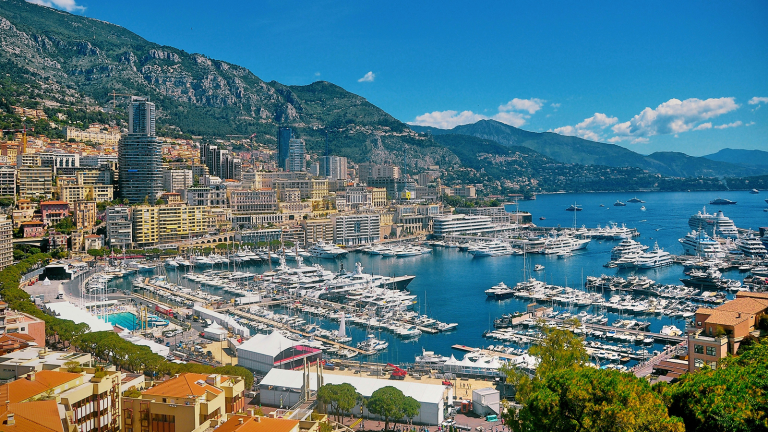
No trip to the French Riviera would be complete without visiting Monaco. Although small in size, this independent principality offers some of the most famous landmarks in Europe.
The district of Monte Carlo is renowned for its luxurious casinos, grand hotels, and impressive architecture. Luxury cars and elegant boutiques contribute to the area’s glamorous reputation. Even travelers who are not interested in gambling often enjoy simply exploring the streets and admiring the surroundings.
Why Visit Villefranche-sur-Mer on Your French Riviera Trip?
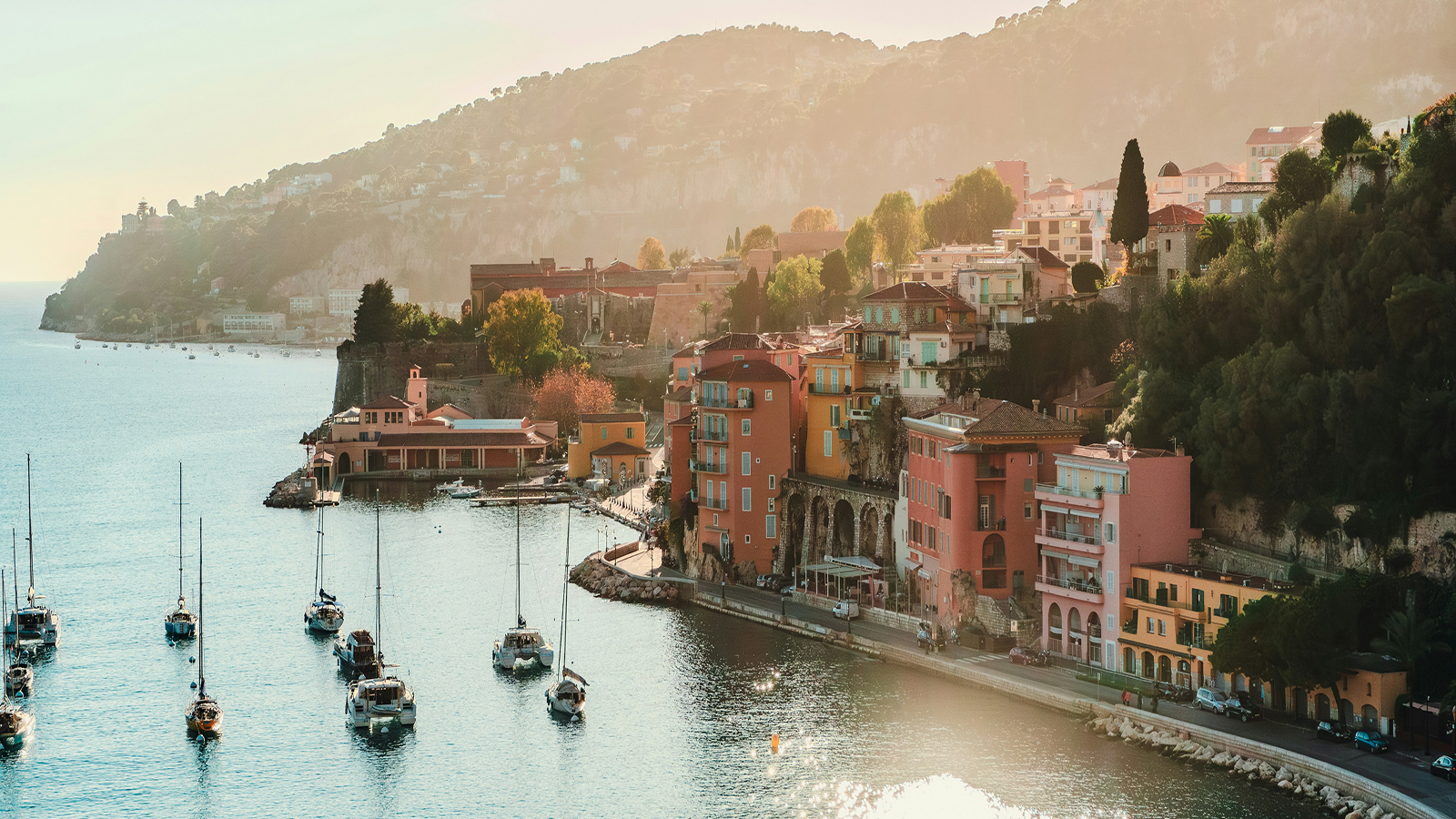
One of the most picturesque destinations on the French Riviera is Villefranche-sur-Mer. Located just minutes from Nice, this charming seaside town offers a more relaxed atmosphere than some of the larger regional destinations.
The colorful waterfront, sheltered bay, and inviting beach make Villefranche-sur-Mer a favorite among photographers and travelers alike. The town’s compact size allows visitors to explore comfortably on foot while enjoying spectacular views of the coast.
Is Menton the Most Beautiful Town Near the Italian Border?
Located near the Italian border, Menton is often considered one of the most colorful destinations on the French Riviera. Its pastel buildings, palm-lined streets, and relaxed atmosphere distinguish it from neighboring cities.
The town’s historic old town climbs a hillside above the waterfront, creating one of the region’s most recognizable views. Visitors can spend hours exploring narrow streets, hidden squares, and local markets while enjoying magnificent views of the sea.
Which Villages and Hilltop Gems Should You Explore?
Some of the most memorable experiences on the French Riviera take place away from the coast. The region’s inland settlements provide spectacular scenery and a glimpse into traditional life.
The famous medieval village of Èze is perhaps the best-known example. Perched high above the sea, this remarkable hilltop village offers breathtaking views and charming stone streets. It represents the perfect combination of history and natural beauty.
Other picturesque locations include Saint-Paul-de-Vence and several smaller communities scattered along the French Riviera hinterland. Each village has its own character, artisan shops, and scenic viewpoints. Exploring these destinations reveals another side of the French Riviera’s identity beyond luxury resorts and famous beaches.
A visit to Villa Ephrussi de Rothschild on Saint-Jean-Cap-Ferrat is also highly recommended. Surrounded by magnificent gardens, the estate provides one of the region’s most elegant cultural experiences.
What Is the Perfect French Riviera Itinerary?
A balanced French Riviera itinerary should combine iconic destinations with lesser-known treasures. For a classic five-day experience, begin in Nice and gradually explore neighboring locations.
Day one can focus on Nice, its old town, local markets, and the Promenade des Anglais. Day two is ideal for visiting Villefranche-sur-Mer and Monaco. Day three can be dedicated to Antibes and Cannes, where visitors experience both history and luxury.
Day four offers opportunities for a day trip to Èze or another scenic village. Day five can be spent discovering Menton and enjoying the atmosphere near the Italian border. This travel itinerary provides an excellent introduction to the region.
For travelers planning a longer French Riviera trip, consider exploring destinations outside of Nice and spending additional time around the French Riviera. Renting a vehicle can also be helpful; many visitors choose to rent a car to access hidden beaches and rural locations. Fortunately, the region is also highly accessible by train, making free travel between major destinations relatively simple.
The French Riviera coast is easy to reach through Nice Côte d’Azur Airport, and it’s easily accessible from Nice to nearly every major attraction. Whether you rely on trains, buses, or rent a car, transportation is generally straightforward.
This comprehensive guide demonstrates why so many travelers return year after year. Whether you want a relaxing riviera beach escape, cultural discoveries, or a luxurious getaway, the beautiful French Riviera truly delivers the perfect French Riviera experience.
Key Things to Remember
- The French Riviera combines glamorous resorts, historic towns, and spectacular Mediterranean scenery.
- Nice is the ideal base for exploring the region.
- Antibes offers history, art, and a world-famous marina.
- Cannes is worth visiting even beyond the Cannes Film Festival.
- Monaco and Monte Carlo showcase luxury and elegance.
- Villefranche-sur-Mer is one of the most charming seaside destinations.
- Menton provides colorful architecture and Italian influences.
- Inland villages like Èze reveal a different side of the region.
- Public transportation makes travel easy, though some visitors prefer to rent a car.
- Learning a few phrases and attempting to speak French enhances the experience.
- The region is one of the highlights of France travel and remains a timeless destination for visitors from around the world.