Discover three of the most iconic castles of the Loire Valley with this complete guide to visiting Chambord, Amboise, and Château de Chenonceau. Learn about their fascinating history, Renaissance architecture, royal connections, and how to plan the perfect day trip through France’s legendary châteaux.
Whether you are deciding between Chambord or Chenonceau, or looking for a memorable guided tour from Amboise, this guide explains what makes each castle unique and why these landmarks remain among the most impressive destinations in France.
Table of Contents
- Chambord vs Chenonceau: Which Loire Valley Castle Should You Visit?
- Why Is Château de Chambord the Most Impressive Castle in the Loire Valley?
- What Makes Château de Chenonceau Different from Chambord?
- Should You Visit Chambord or Chenonceau from Amboise?
- How to Plan a Day Trip to Chambord and Chenonceau?
- What Can You Discover Inside Château de Chambord?
- What Are the Highlights of Visiting Château de Chenonceau?
- How Do Chambord and Chenonceau Represent Loire Valley Renaissance History?
- What Other Loire Valley Castles Can You Visit Near Chambord and Amboise?
- What Is the Best Way to Experience Chambord and Chenonceau?
Chambord vs Chenonceau: Which Loire Valley Castle Should You Visit?
The question of Chambord or Chenonceau is one of the most common choices travelers face when planning a visit to the Loire Valley. Both castles represent different sides of French Renaissance history: Chambord impresses with its monumental scale, while Château de Chenonceau captivates visitors with elegance, gardens, and its connection to influential women.
For travelers with limited time, visiting Chambord and Chenonceau together creates a perfect balance between grandeur and refinement. These two of the Loire Valley’s most famous châteaux offer completely different experiences and reveal different chapters of French history.
A well-planned guided tour allows visitors to discover the architecture, stories, and hidden details behind each castle without worrying about transportation or logistics.
Why Is Château de Chambord the Most Impressive Castle in the Loire Valley?
The Château de Chambord is the largest and perhaps the most recognizable chateau in the Loire Valley. Built for King François I in the 16th century, it represents the ambition and creativity of the French Renaissance, combining medieval traditions with innovative architectural ideas.
The scale of Chambord is extraordinary. With hundreds of rooms, dramatic towers, and a famous double helix staircase inspired by Renaissance thinking, the castle reflects the vision of a king who wanted to demonstrate power and artistic achievement.
The rooftop terrace of Chambord offers breathtaking views over the surrounding landscape. Visitors can admire the symmetry of the building, its impressive towers, and the natural setting that makes this Loire Valley castle a UNESCO World Heritage attraction.
If you’re planning a broader journey through the region, our Loire Valley Travel Guide: Castles, Wine & the Perfect Itinerary explains where to stay, how to get around and how to build the perfect itinerary.
What Makes Château de Chenonceau Different from Chambord?
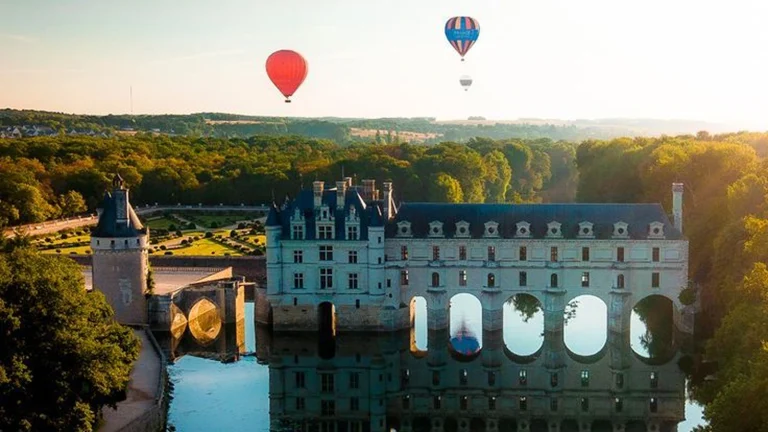
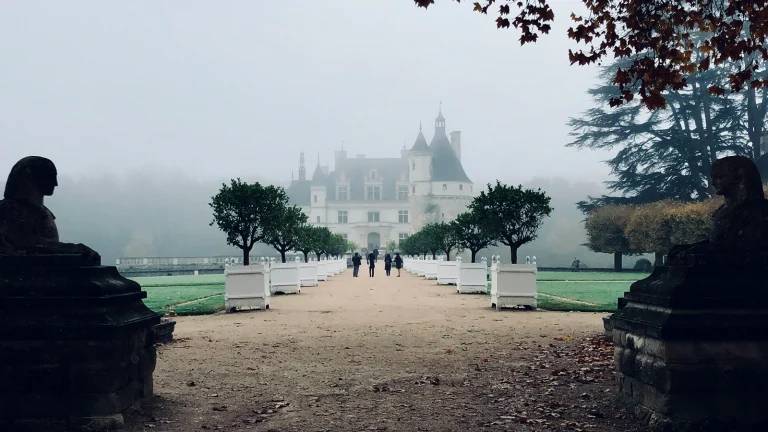
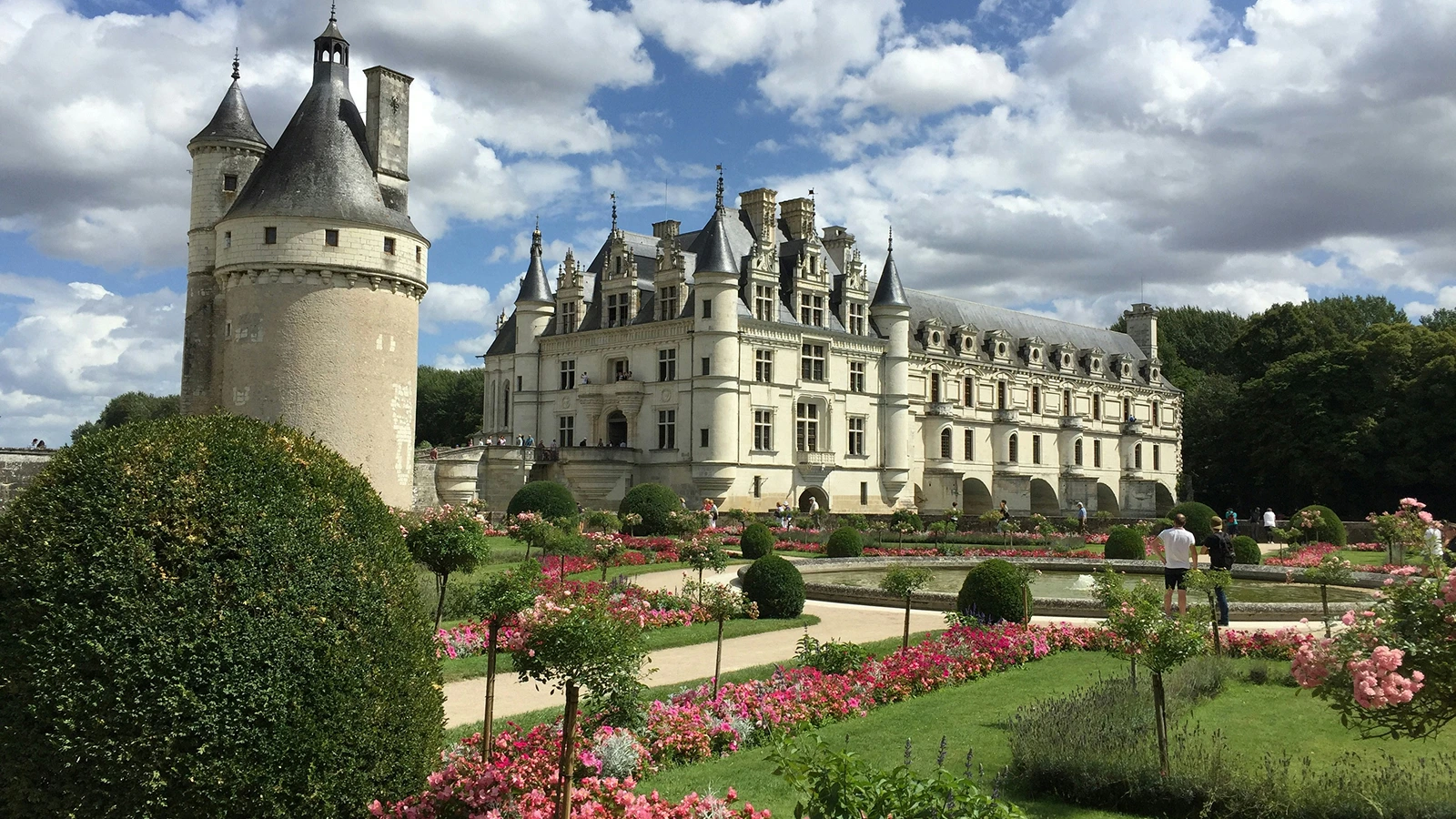
While Chambord represents royal ambition, Château de Chenonceau is known for elegance and feminine influence. Built over the Cher River, this extraordinary castle built on a bridge is one of the most romantic landmarks in the Loire Valley.
The history of Château de Chenonceau is closely connected with remarkable women, including Diane de Poitiers and Catherine de Médicis. Their influence shaped the gardens, interiors, and expansion of the castle, creating a place where architecture and personal stories are deeply connected.
Visitors who visit Chenonceau can explore beautiful rooms, antique furniture, floral arrangements with fresh flowers, and elegant galleries stretching across the river. The refined atmosphere makes Chenonceau completely different from the monumental character of Chambord.
Should You Visit Chambord or Chenonceau from Amboise?
For travelers staying in Amboise, both Chambord and Chenonceau are excellent choices for exploring the surrounding Loire Valley. The town is strategically located near several important castles, making it an ideal base for a castles day trip.
A guided tour from Amboise is one of the easiest ways to experience these landmarks. With a local and English-speaking guide, visitors can understand the historical context behind each room, artwork, and architectural detail.
The tourist office of Amboise can also provide useful information about transportation options, but many travelers prefer private experiences that maximize time at each château.
How to Plan a Day Trip to Chambord and Chenonceau?
A day trip combining Chambord and Chenonceau requires careful planning because the castles are located in different areas of the Loire Valley. Starting from Amboise allows travelers to efficiently explore two of France’s most famous royal residences.
A typical itinerary begins with Château de Chambord in the morning, when visitors can appreciate the impressive architecture before larger crowds arrive. The afternoon can then be dedicated to Château de Chenonceau and its gardens along the Cher River.
For those who want a deeper experience, a tour to Chenonceau and Chambord provides historical explanations, comfortable transportation, and the opportunity to discover hidden stories behind these remarkable monuments.
What Can You Discover Inside Château de Chambord?
Inside Chambord, visitors discover a fascinating combination of royal apartments, ceremonial spaces, and architectural innovations. The famous staircase is one of the highlights, designed as a double helix that allows two people to climb without meeting.
The history of the castle is connected to King François, whose passion for art and architecture transformed Chambord into one of France’s greatest royal projects. The château also contains exhibitions, antique objects, and works of art that reveal daily life during the Renaissance.
Visiting Chambord is not only about seeing a beautiful building; it is an opportunity to understand the ambition of French kings and the evolution of Renaissance architecture.
What Are the Highlights of Visiting Château de Chenonceau?
The experience of visiting Château de Chenonceau focuses on beauty, history, and atmosphere. Unlike the massive presence of Chambord, Chenonceau feels intimate, elegant, and deeply connected to the personalities of the famous ladies who lived there.
The rooms preserve beautiful antiques, decorative details, and memorable anecdotes connected to Catherine de Medici, Diane de Poitiers, and other influential figures. The feminine influence that prevails throughout the château makes it one of the most unique historic monuments in France.
From the gardens to the bridge across the Cher River, every corner reveals hidden details. Visitors can appreciate the refined architecture and feminine influence that defines this extraordinary chateau.
How Do Chambord and Chenonceau Represent Loire Valley Renaissance History?
The Loire Valley and the Renaissance era are inseparable. During the 15th and 16th centuries, French kings and nobles transformed the region into a center of artistic innovation, building magnificent residences surrounded by forests, gardens, and rivers.
Both Chambord and Chenonceau represent different aspects of this period. Chambord demonstrates royal power and ambition, while Chenonceau reflects elegance, cultural influence, and the important role of women in French history.
Together, these châteaux showcase why France’s Loire Valley remains recognized for its exceptional works of art and architecture and why many sites are included on the UNESCO World Heritage list.
What Other Loire Valley Castles Can You Visit Near Chambord and Amboise?
Although Chambord and Chenonceau are among the most famous, the region contains many other remarkable châteaux. Travelers staying in Amboise can also explore Château Royal d’Amboise, Clos Lucé, and smaller historic residences such as Château de Villesavin.
These additional sites allow visitors to discover quieter places full of history, where royal connections and Renaissance influences remain visible.
Exploring beyond the main attractions reveals the diversity of the Loire Valley, from grand royal residences to charming villages and hidden architectural treasures.
Interested in exploring more royal residences? Discover other remarkable castles in our Loire Valley Châteaux: Castles of the Loire Valley.
What Is the Best Way to Experience Chambord and Chenonceau?
The best way to experience these castles depends on your travel style. Independent travelers can organize transportation and tickets themselves, while those seeking deeper knowledge often choose a guided experience.
A professional guide brings the history of Chambord and Chenonceau to life, explaining the stories of kings, queens, artists, and the famous ladies who shaped these places.
For travelers based in Amboise, a private or small-group experience offers a comfortable way to discover these must-see landmarks while enjoying the beauty of the heart of the Loire Valley.
Many visitors also combine château visits with vineyard experiences. Our Loire Valley Wine Guide: The Best Wine Regions to Visit explores the region’s celebrated wine areas.
Key Things to Remember
- Chambord is the largest and most impressive royal château in the Loire Valley, famous for its Renaissance architecture and double helix staircase.
- Château de Chenonceau offers a completely different experience, known for its elegance, gardens, and connection with Diane de Poitiers and Catherine de Médicis.
- Choosing between Chambord or Chenonceau depends on whether you prefer grandeur or refined historical atmosphere.
- A guided tour from Amboise is one of the easiest ways to visit both castles in one day.
- Together, Chambord and Chenonceau represent the artistic achievement and royal history that make the Loire Valley one of France’s most extraordinary destinations.