

From dramatic beach landscapes and medieval towns to remarkable historical sites and picturesque countryside, Normandy is one of France’s most captivating regions. Rich in history, culture, and gastronomy, it offers unforgettable experiences for travelers seeking far more than a typical destination.
This Normandy travel guide explores the region’s most iconic landmarks, charming villages, D-Day heritage, and scenic coastal routes. Whether you are planning a short getaway or a longer itinerary, this guide will help you discover the best places to visit while inspiring a personalized journey through one of France’s most fascinating regions.
Table of Contents
- Why Should You Visit Normandy?
- What Are the Best Places to Visit in Normandy?
- Why Is Bayeux One of Normandy’s Most Important Stops?
- What Makes the D-Day Beaches So Significant?
- How Do Rouen and Honfleur Showcase Normandy’s Heritage?
- Is Mont Saint-Michel Worth Visiting?
- What Local Food and Drinks Should You Try in Normandy?
- When Is the Best Time to Visit Normandy?
- How Should You Plan Your Normandy Itinerary?
- Why Explore Normandy with a Personalized Journey?
Why Should You Visit Normandy?
There are few destinations in France that combine history, culture, gastronomy, and natural beauty as seamlessly as Normandy. From dramatic coastal cliffs and historic beach landscapes to elegant medieval cities and peaceful rural scenery, the region offers exceptional diversity for every traveler.
Whether your interests include World War II history, Gothic architecture, charming harbors, or local cuisine, there is no shortage of reasons to visit Normandy. The region rewards slow exploration, where every stop reveals another layer of French heritage.
For travelers looking beyond Paris, Normandy offers an authentic experience filled with remarkable monuments, traditional villages, and unforgettable landscapes that are well worth a visit.
What Are the Best Places to Visit in Normandy?
One of the greatest strengths of Normandy is the variety of destinations found within a relatively compact region. Historic Bayeux, medieval Rouen, picturesque Honfleur, elegant Deauville, and the spectacular Mont Saint-Michel each offer completely different experiences.
The region’s beautiful village communities, lively harbors, and historic cities can easily be combined into a well-balanced itinerary. Visitors often divide their time between cultural landmarks, scenic coastal drives, and peaceful countryside escapes.
Whether you are interested in history, architecture, gastronomy, or photography, the diverse towns in Normandy provide endless opportunities for discovery throughout the year.
Why Is Bayeux One of Normandy’s Most Important Stops?
The historic town of Bayeux is often considered the ideal base for exploring western Normandy. Unlike many nearby cities, it survived World War II largely intact, preserving its medieval charm and remarkable architectural heritage.
Its most famous attraction is the extraordinary Bayeux Tapestry, an embroidered masterpiece that tells the story of the conquest of England led by William the Conqueror in 1066. This remarkable work remains one of Europe’s most significant historical artifacts.
Many travelers also choose to stay in Bayeux because of its excellent location. From here, it is easy to organize a tour from Bayeux to the nearby D-Day sites while enjoying the town’s welcoming atmosphere, restaurants, and historic streets.
What Makes the D-Day Beaches So Significant?
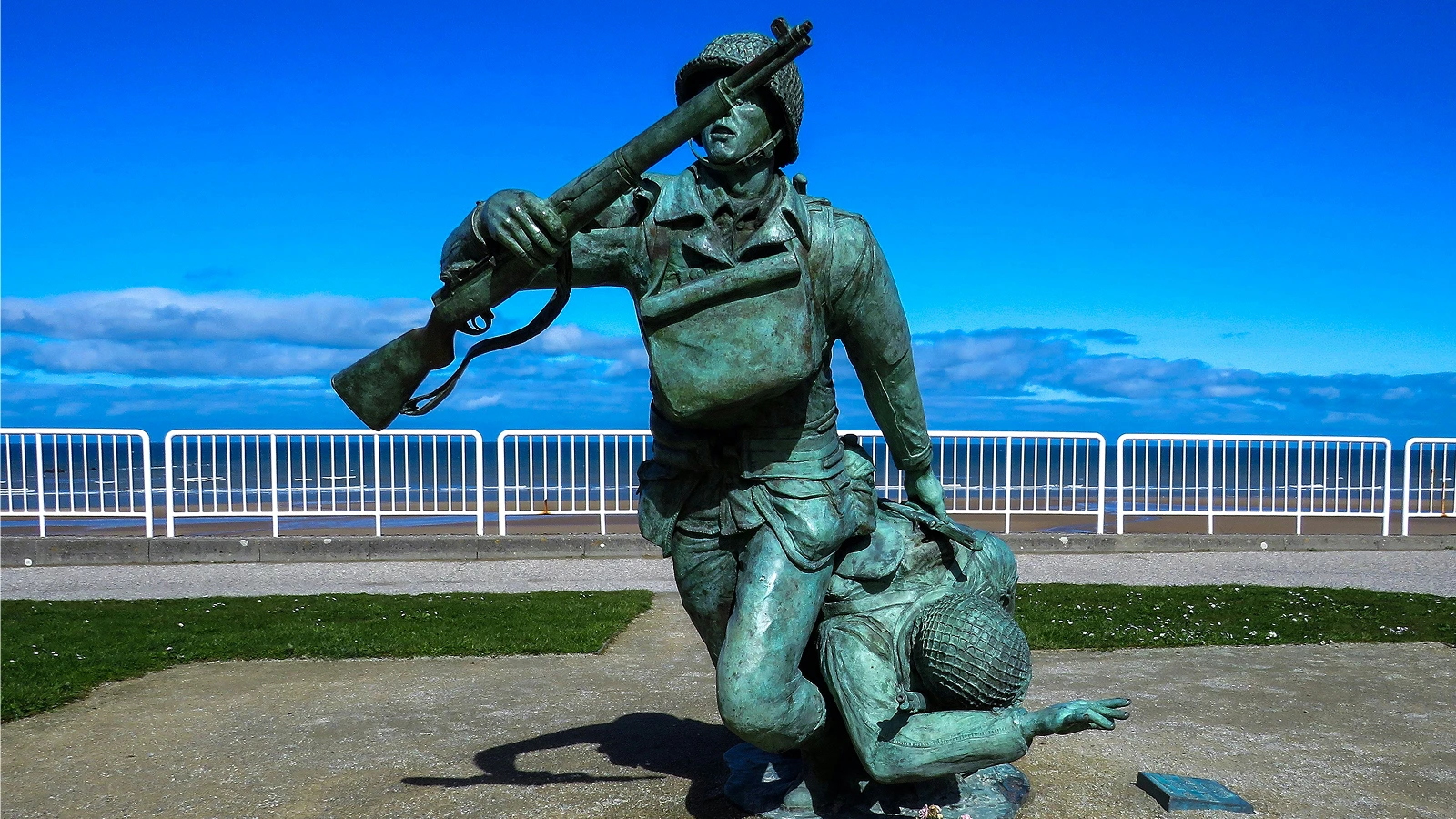
The D-Day Beaches remain among the most moving historical sites anywhere in Europe. It was here that the Allied Forces launched the D-Day landing on June 6, 1944, changing the course of World War II.
Today, visitors can explore Omaha Beach, Utah Beach, Arromanches, and several important landing beaches, where museums and memorials preserve the stories of those who fought for Europe’s liberation. Walking along each beach offers a powerful reminder of these historic events.
Nearby, the Normandy American Cemetery overlooks Omaha Beach, honoring thousands of soldiers who lost their lives during the campaign. Together with local museums and the Memorial sites, these landmarks provide an unforgettable historical experience.
How Do Rouen and Honfleur Showcase Normandy’s Heritage?
The historic city of Rouen is renowned for its magnificent Gothic cathedral, beautifully preserved half-timbered houses, and its connection to Joan of Arc, whose final days are remembered throughout the city. Walking through Rouen reveals centuries of French history around every corner.
Meanwhile, Honfleur offers a completely different atmosphere. This charming port town, located near the mouth of the Seine, is famous for its colorful harbor, artistic heritage, and maritime traditions. Its picturesque waterfront has inspired generations of painters, including many associated with the Impressionist movement.
Together, Rouen and Honfleur represent two of the most rewarding destinations in Normandy, combining culture, history, architecture, and coastal charm in a way few regions of France can match.
Is Mont Saint-Michel Worth Visiting?
Without question, Mont Saint-Michel is one of France’s most iconic landmarks and one of the highlights of any Normandy journey. Rising dramatically from the tidal bay, this extraordinary island has welcomed pilgrims, travelers, and artists for centuries.
At its summit stands the magnificent abbey, whose architecture reflects centuries of religious and political history. Recognized as both a UNESCO World Heritage Site and part of the wider UNESCO World Heritage program, the monument offers spectacular views over the surrounding bay and an unforgettable sense of place.
Although many visitors make a day trip from Paris, spending more time in Normandy allows you to experience Mont Saint-Michel at quieter moments, especially in the early morning or evening when the crowds begin to disappear.
What Local Food and Drinks Should You Try in Normandy?
Beyond its history, Normandy is one of France’s great gastronomic regions. Rich dairy farms, orchards, and coastal waters have shaped a cuisine that celebrates fresh local ingredients and centuries-old traditions.
The region is renowned for its creamy Camembert cheese, traditional Norman recipes, fresh seafood, and excellent cider. Another regional specialty is Calvados, the famous apple brandy produced throughout the countryside. Together, these products perfectly represent the culinary identity of Normandy.
Whether dining in a countryside inn or a seaside restaurant, local cuisine becomes an essential part of the journey, complementing the landscapes and cultural experiences found across the region.
When Is the Best Time to Visit Normandy?
The best time to visit Normandy depends on the type of experience you are looking for. Spring and early autumn offer mild temperatures, colorful landscapes, and comfortable conditions for sightseeing, while summer brings longer days and lively coastal towns.
If you’re considering the best time to visit Normandy, May, June, September, and early October often provide the ideal balance between pleasant weather and fewer visitors. These months are perfect for exploring historic sites, walking along the coast, and enjoying the peaceful Normandy countryside.
Winter offers a quieter atmosphere, particularly in smaller villages, making it an attractive season for travelers who appreciate slower, more intimate experiences.
How Should You Plan Your Normandy Itinerary?
A well-designed Normandy trip should combine history, culture, gastronomy, and coastal scenery. Depending on the length of your stay, travelers can explore Bayeux, the D-Day sites, Rouen, Honfleur, Caen, and Mont Saint Michel, while also discovering charming villages and scenic countryside.
Many visitors choose to rent a car, as having your own transportation makes it easier to reach rural areas, historic monuments, and coastal viewpoints. While it is possible to take the train between major cities, exploring the region independently offers much greater flexibility. If you’re wondering whether you need a car, the answer is generally yes for a more complete experience.
For those planning a trip, combining Normandy with nearby destinations such as Giverny creates an even richer itinerary. A personalized route can also include Le Havre, Caen, the Normandy coast, and hidden villages that many visitors overlook.
Why Explore Normandy with a Personalized Journey?
Unlike standard sightseeing routes, a customized journey allows you to discover the many sides of Normandy at your own pace. Whether your interests lie in medieval history, World War II heritage, gastronomy, coastal landscapes, or elegant villages, every itinerary can be tailored to your preferences.
At France Intense, we believe every traveler deserves an experience built around their interests rather than a fixed schedule. From historic places to visit to exceptional local restaurants and carefully selected accommodations, each journey is thoughtfully designed to create meaningful memories.
Rather than following a generic route, you’ll enjoy a carefully curated experience that reveals the authentic character of Normandy while balancing iconic landmarks with lesser-known treasures across the region.
Key Things to Remember
- Normandy combines history, gastronomy, countryside, and spectacular coastline.
- Bayeux is an excellent base for exploring the D-Day sites and discovering the Bayeux Tapestry.
- The D-Day Beaches, Omaha Beach, Arromanches, and the Normandy American Cemetery offer powerful historical experiences.
- Rouen, Honfleur, Caen, and Le Havre each showcase different aspects of Normandy’s heritage.
- Mont Saint-Michel is one of France’s most extraordinary landmarks and a UNESCO World Heritage Site.
- Local specialties such as Camembert, cider, and Calvados are essential parts of the regional experience.
- Spring and early autumn are generally the best time to visit Normandy.
- Renting a car makes it easier to explore the Normandy countryside and coastal villages.
- A personalized itinerary allows you to discover the region beyond its most famous attractions.
- France Intense creates tailor-made journeys through Normandy, designed around your interests rather than fixed tour schedules.

