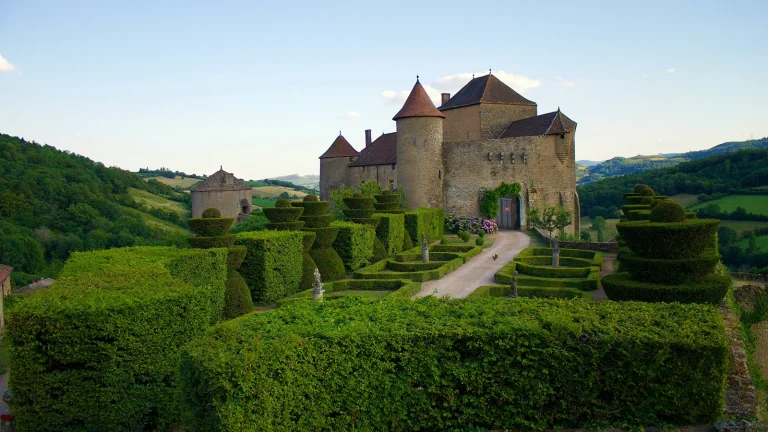
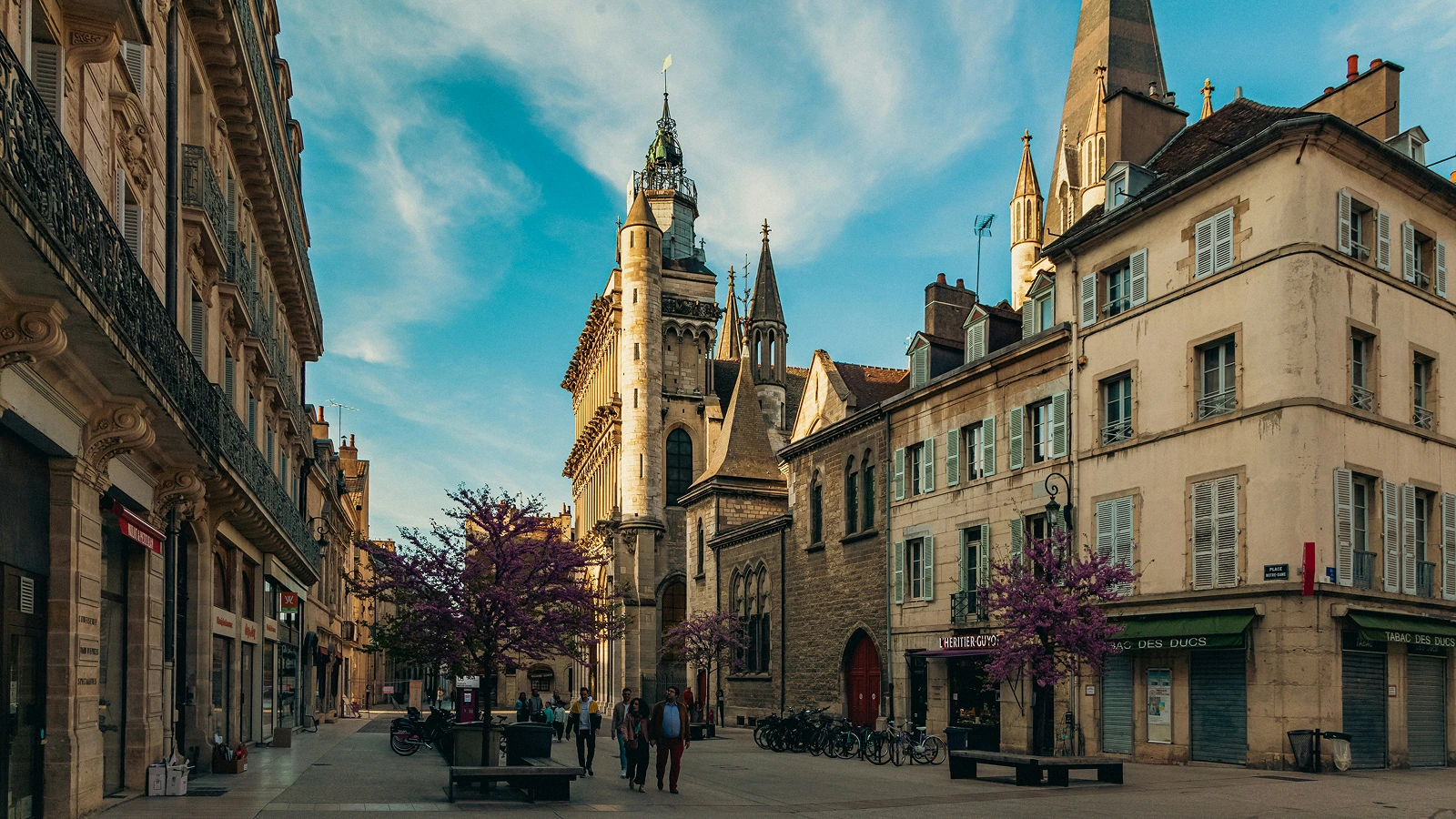
Dijon is the historic capital of Burgundy, where centuries of heritage meet exceptional gastronomy and world-renowned wines. Elegant streets, remarkable architecture, lively markets, and easy access to the legendary vineyards make the city one of France’s most rewarding destinations.
Whether you’re planning a cultural getaway or exploring Burgundy’s famous wine region, there are countless things to do in Dijon. From medieval landmarks and traditional cuisine to scenic vineyard routes and prestigious wine estates, the city offers the perfect introduction to Burgundy’s rich history and art de vivre.
Table of Contents
- Why Visit Dijon?
- Discover Dijon’s Historic Centre
- Visit the Palace of the Dukes of Burgundy
- Follow the Owl’s Trail
- Experience Dijon Through Its Gastronomy
- Why Dijon Is the Perfect Gateway to Burgundy Wine Country
- Drive the Legendary Route des Grands Crus
- Discover the Côte de Nuits
- Explore the Côte de Beaune
- Experience Burgundy’s Prestigious Wine Estates
- Best Time to Visit Dijon
- How Many Days Should You Spend in Dijon?
- Experience Burgundy with France Intense
Why Visit Dijon?
Dijon offers the perfect blend of history, gastronomy, and wine culture. As the historic capital of Burgundy, the city is known for its elegant architecture, vibrant markets, and relaxed atmosphere, making it an ideal destination for travelers seeking authentic French experiences.
Beyond its historic center, Dijon is also the gateway to Burgundy’s most prestigious vineyards. Its privileged location provides easy access to the Côte de Nuits, Côte de Beaune, and the famous Route des Grands Crus, making it the perfect base for exploring the region.
Discover Dijon’s Historic Centre
Dijon’s historic centre is one of the best-preserved medieval districts in France. Walking through its narrow streets reveals timber-framed houses, elegant mansions, charming squares, and centuries of Burgundian history.
Rather than rushing between attractions, visitors are invited to explore at a leisurely pace, discovering cafés, artisan boutiques, hidden courtyards, and architectural landmarks that reflect the city’s rich cultural heritage.
Visit the Palace of the Dukes of Burgundy
The Palace of the Dukes of Burgundy is Dijon’s most iconic landmark and a symbol of the region’s powerful history. Once home to the Dukes of Burgundy, the palace now houses the renowned Musée des Beaux-Arts, featuring collections that span from antiquity to contemporary art.
The elegant Place de la Libération, located just outside the palace, is one of the city’s most beautiful squares and a perfect place to admire the architecture or relax at a nearby café.
Follow the Owl’s Trail
The Owl’s Trail (Parcours de la Chouette) is a self-guided walking route connecting Dijon’s most important monuments and historic streets. Bronze owl markers embedded in the pavement guide visitors through churches, museums, public squares, and hidden corners of the city.
Along the route, don’t miss the famous carved owl on the Church of Notre-Dame, a beloved local symbol that, according to tradition, brings good luck.
Experience Dijon Through Its Gastronomy
Dijon is celebrated for its rich culinary heritage. While its famous mustard is known worldwide, the city is equally renowned for traditional Burgundy cuisine, local markets, artisan products, and exceptional wines.
Visit Les Halles de Dijon to discover regional cheeses, charcuterie, pastries, and gourmet specialties, then enjoy classic dishes such as boeuf bourguignon or œufs en meurette, perfectly paired with Burgundy wines. Here, gastronomy is an essential part of the region’s art de vivre.
Why Dijon Is the Perfect Gateway to Burgundy Wine Country
While Dijon is a remarkable destination in its own right, it is also the ideal starting point for exploring Burgundy’s legendary wine region. Just beyond the city, visitors can discover world-famous vineyards, picturesque wine villages, and centuries of winemaking tradition that have shaped Burgundy’s global reputation.
With excellent access to the Côte de Nuits and Côte de Beaune, Dijon offers the perfect balance between cultural sightseeing and unforgettable wine experiences.
Drive the Legendary Route des Grands Crus
Known as the “Champs-Élysées of Burgundy,” the Route des Grands Crus is one of France’s most scenic wine routes. Stretching through rolling vineyards and historic villages, it connects some of Burgundy’s most prestigious appellations.
Along the drive, visitors pass charming stone villages, renowned wine estates, and landscapes that have earned UNESCO World Heritage recognition. It’s one of the finest ways to appreciate Burgundy’s exceptional terroir and timeless beauty.
Discover the Côte de Nuits
The Côte de Nuits is home to many of Burgundy’s most prestigious red wines. Famous villages such as Gevrey-Chambertin, Vosne-Romanée, and Nuits-Saint-Georges have built an international reputation for producing exceptional Pinot Noir.
Family-owned wine estates welcome visitors for intimate cellar tours and tastings, offering a deeper understanding of the craftsmanship and heritage behind some of the world’s most celebrated wines.
Explore the Côte de Beaune
South of Dijon, the Côte de Beaune is renowned for both elegant Chardonnay and refined Pinot Noir. Its vineyards, historic villages, and renowned wine estates make it one of Burgundy’s most rewarding regions to explore.
Whether visiting traditional cellars or enjoying scenic vineyard landscapes, the Côte de Beaune offers an authentic introduction to Burgundy’s celebrated wine culture.
Experience Burgundy’s Prestigious Wine Estates
One of the highlights of visiting Burgundy is meeting the passionate winemakers who preserve generations of family tradition. Guided visits to local wine estates offer exclusive access to historic cellars, remarkable vineyards, and carefully curated tastings that showcase the diversity of Burgundy’s appellations.
For an even more memorable experience, travelers can also explore the vineyards aboard the legendary Citroën DS, combining exceptional wines with one of France’s most iconic automobiles.
Best Time to Visit Dijon
Dijon is a year-round destination, with each season offering a different perspective on Burgundy. Spring and summer bring vibrant vineyards and pleasant weather, while autumn is particularly popular during the grape harvest, when the wine region comes alive with activity and beautiful golden landscapes.
Winter offers a quieter atmosphere, making it an excellent time to enjoy Dijon’s museums, gastronomy, and historic streets without the crowds.
How Many Days Should You Spend in Dijon?
Two to three days are enough to explore Dijon’s historic centre, discover its culinary traditions, and visit its main cultural attractions. However, adding extra time allows travelers to fully experience the surrounding vineyards, wine villages, and scenic routes that make Burgundy one of France’s most celebrated regions.
Dijon is best enjoyed at a relaxed pace, combining city exploration with unforgettable wine experiences throughout Burgundy.
Experience Burgundy with France Intense
If you’re looking to experience Burgundy with expert local guidance, our curated itineraries offer privileged access to the region’s most celebrated vineyards, family-owned wine estates, and historic villages. Explore our Côte de Nuits experience, discover the elegance of the Côte de Beaune, or enjoy an unforgettable journey through Burgundy aboard the legendary Citroën DS, combining world-class wines with timeless French heritage.
Key Takeaways
- Dijon is the historic capital of Burgundy, renowned for its architecture, gastronomy, and wine culture.
- The city’s medieval centre is home to landmarks such as the Palace of the Dukes of Burgundy and the famous Owl’s Trail.
- Dijon is the ideal gateway to Burgundy’s prestigious wine region, including the Côte de Nuits and Côte de Beaune.
- The Route des Grands Crus offers one of France’s most scenic wine routes, passing through world-famous vineyards and historic wine villages.
- Burgundy’s family-owned wine estates provide authentic cellar visits and exceptional wine tasting experiences.
- Spending two to three days in Dijon allows visitors to enjoy both the city’s cultural heritage and the surrounding vineyard landscapes.