Few artists are as closely connected to a place as Vincent van Gogh is to Provence. Between 1888 and 1890, the vibrant landscapes, warm Mediterranean light, and timeless villages of southern France inspired some of the most celebrated paintings in the history of art. Today, travelers can still walk the same streets, admire the same olive groves, and experience the scenery that transformed Van Gogh’s artistic vision.
Following Van Gogh in Provence is more than an artistic journey—it’s an immersion into the region’s history, culture, and natural beauty. From the colorful streets of Arles to the peaceful surroundings of Saint-Rémy-de-Provence, each destination reveals a deeper understanding of the artist’s life while showcasing the authentic charm of Provence.
Table of Contents
- Why Did Van Gogh Move to Provence?
- Arles: Where Van Gogh Found His Greatest Inspiration
- Saint-Rémy-de-Provence: Art, Nature and Reflection
- The Landscapes That Inspired Van Gogh’s Most Famous Paintings
- Can You Still Visit Van Gogh’s Provence Today?
- Best Time to Follow Van Gogh in Provence
- Experience Van Gogh’s Provence with France Intense
Why Did Van Gogh Move to Provence?
In February 1888, Vincent van Gogh left Paris in search of something he believed the French capital could no longer offer: clearer skies, brighter light, and a closer connection with nature. He settled in Arles, a Provençal town whose colorful streets, Roman heritage, and surrounding countryside immediately became an endless source of inspiration.
The intensity of the southern light transformed his palette, introducing vivid yellows, deep blues, and brilliant greens that would define many of his greatest works. During this period, Van Gogh produced hundreds of paintings and drawings, capturing vineyards, orchards, cafés, olive groves, and everyday village life with remarkable energy and emotion.
Although his time in Provence lasted only two years, it became the most productive and influential chapter of his artistic career.
Arles: Where Van Gogh Found His Greatest Inspiration
Arles is the heart of Van Gogh’s Provence. It was here that he created many of his most iconic paintings while developing the bold artistic style for which he is now celebrated. Walking through the city today, visitors can still recognize many of the locations that appear in his works, making Arles one of the most rewarding destinations for art lovers.
The historic center combines Roman monuments, charming cafés, lively squares, and picturesque streets, offering much of the same atmosphere that captivated the artist more than a century ago. Throughout the city, the Van Gogh Trail connects several of these locations with interpretive panels displaying the paintings exactly where they were created.
The Yellow House
Although the original Yellow House no longer stands, it remains one of the most symbolic places in Van Gogh’s story. It was here that he dreamed of creating an artists’ community and welcomed fellow painter Paul Gauguin. Their brief collaboration would become one of the most significant episodes in modern art history.
Café Terrace at Night
One of the most recognizable places in Arles is the café that inspired Café Terrace at Night. The square still preserves much of its historic character, allowing visitors to experience the atmosphere that Van Gogh transformed into one of his most famous paintings.
Langlois Bridge
Located just outside the city, the Langlois Bridge inspired several of Van Gogh’s works depicting rural Provence. Surrounded by peaceful canals and open landscapes, the site reflects the artist’s fascination with the simple beauty of everyday life.
Roman Heritage
Beyond its connection to Van Gogh, Arles is home to remarkable Roman monuments, including the impressive amphitheater and ancient theater. These historic landmarks add another dimension to the city, blending artistic heritage with more than two thousand years of history.
Saint-Rémy-de-Provence: Art, Nature and Reflection
In May 1889, Van Gogh voluntarily admitted himself to the Saint-Paul-de-Mausole asylum in Saint-Rémy-de-Provence after experiencing a period of mental illness. Surrounded by olive groves, cypress trees, and the limestone peaks of the Alpilles, he found a peaceful environment that allowed him to continue painting almost every day.
Despite the challenges he faced, this period became one of the most productive of his career. Inspired by the landscapes surrounding the monastery, Van Gogh created more than 150 paintings, many of which are now considered among his greatest masterpieces.
Today, visitors can tour Saint-Paul-de-Mausole, walk through the gardens that inspired his work, and follow marked paths leading to several of the viewpoints he painted. The village itself also preserves the relaxed Provençal atmosphere that made it such an inspiring place for the artist.
The Landscapes That Inspired Van Gogh’s Most Famous Paintings
One of the most remarkable aspects of following Van Gogh in Provence is discovering that many of the landscapes he painted remain instantly recognizable today. Rather than imagining distant scenes, visitors can stand in the very places where some of art history’s most celebrated works were created.
The olive groves surrounding Saint-Rémy inspired his expressive Olive Trees series, while the nearby wheat fields became the setting for several vibrant landscape paintings. The distinctive cypress trees of Provence, rising dramatically against the sky, appear repeatedly throughout his work as powerful symbols of the region.
In Arles, visitors can follow the locations behind paintings such as Café Terrace at Night, The Yellow House, and the Langlois Bridge, gaining a deeper appreciation for how everyday places became extraordinary works of art through Van Gogh’s vision.
Can You Still Visit Van Gogh’s Provence Today?
Absolutely. Provence remains one of the best destinations in France for travelers interested in art, history, and cultural heritage. Many of the places associated with Van Gogh have been carefully preserved, allowing visitors to experience the landscapes that inspired his paintings more than a century ago.
Walking routes in Arles connect many of the city’s most famous artistic landmarks, while Saint-Rémy offers access to the monastery, surrounding countryside, and scenic viewpoints featured in his work. Combined with the region’s picturesque villages, vineyards, and Provençal cuisine, these destinations create an unforgettable cultural journey through southern France.
Best Time to Follow Van Gogh in Provence
Provence is beautiful throughout the year, but each season offers a different perspective on the landscapes that inspired Van Gogh.
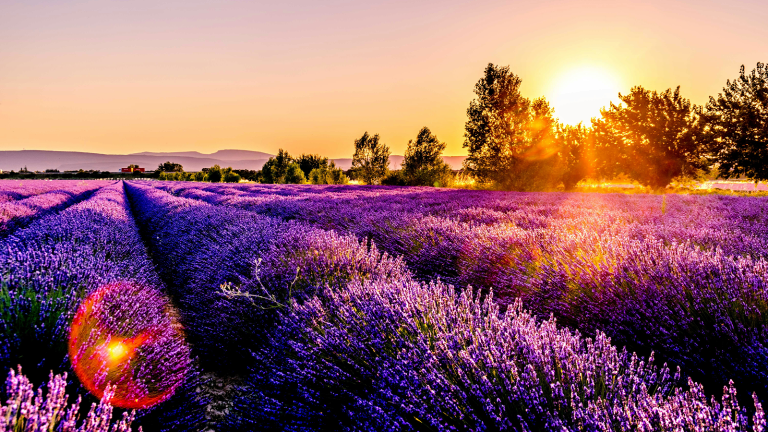
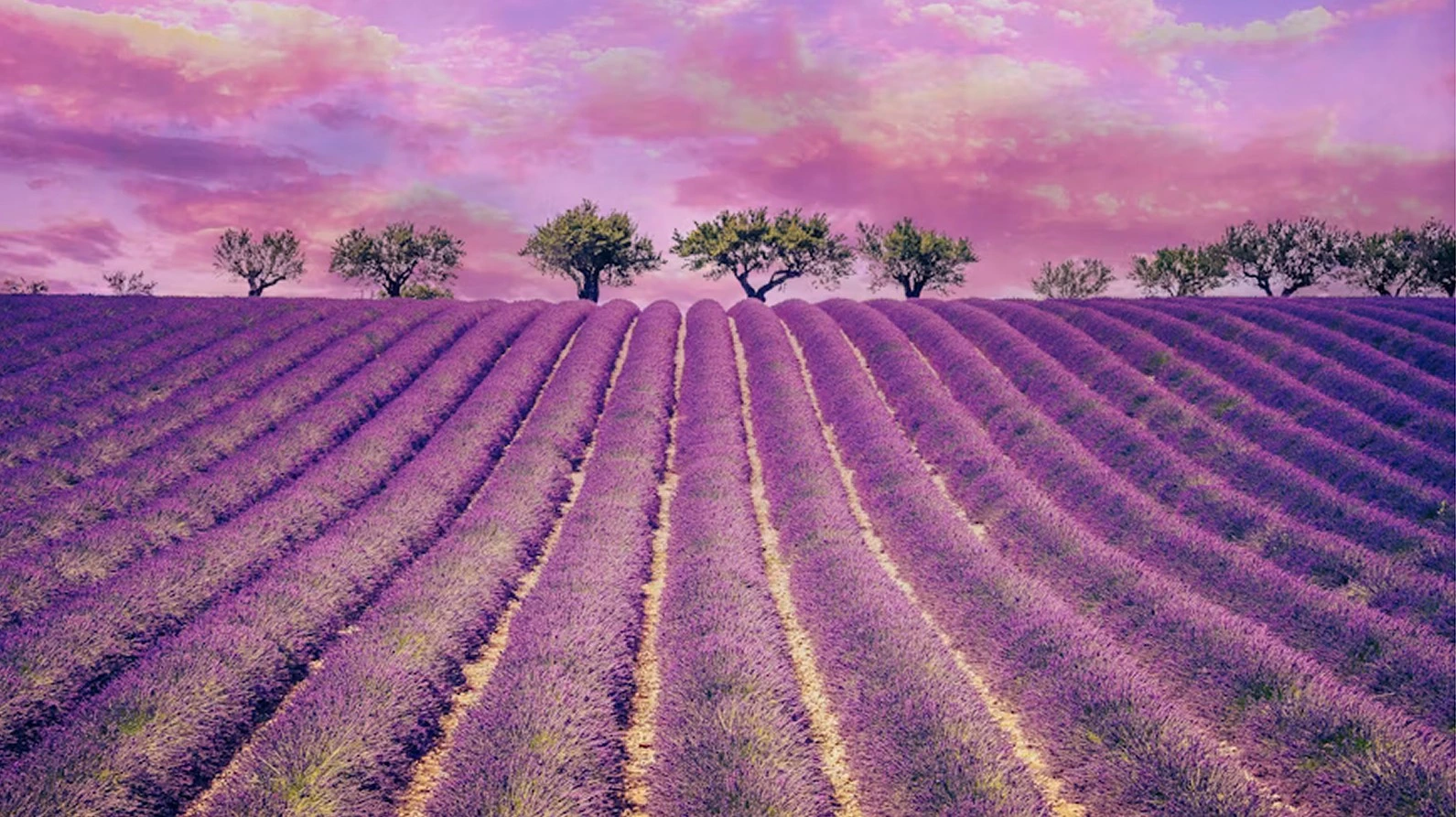
Spring brings blooming orchards, vibrant greenery, and pleasant temperatures for exploring villages and countryside walks. Summer offers the iconic lavender fields and long Mediterranean days, while early autumn fills the vineyards and olive groves with warm golden colors reminiscent of Van Gogh’s palette.
For travelers seeking a quieter atmosphere, autumn and spring are often the ideal seasons to experience the region’s artistic heritage without the larger summer crowds.
Experience Van Gogh’s Provence with France Intense
Following Van Gogh’s footsteps is about more than visiting famous locations—it’s about understanding the landscapes, culture, and atmosphere that shaped his artistic vision. France Intense offers curated journeys through Provence that combine remarkable heritage, authentic local experiences, and expert French guides who bring the region’s history to life.
Whether strolling through the streets of Arles, discovering Saint-Rémy’s peaceful countryside, or exploring the timeless beauty of the Alpilles, each journey offers a deeper connection with Provence and the enduring legacy of one of history’s greatest artists.
Key Takeaways
- Van Gogh in Provence offers a unique journey through the landscapes that inspired many of the artist’s greatest masterpieces.
- Arles is home to iconic sites including the Café Terrace, Langlois Bridge, and the locations featured on the Van Gogh Walking Trail.
- Saint-Rémy-de-Provence and Saint-Paul-de-Mausole reveal the peaceful surroundings where Van Gogh created some of his most celebrated works.
- Many of the artist’s landscapes remain remarkably unchanged, allowing visitors to experience Provence through his eyes.
- Exploring these destinations with knowledgeable local guides provides a richer understanding of Van Gogh’s life, art, and the cultural heritage of Provence.