

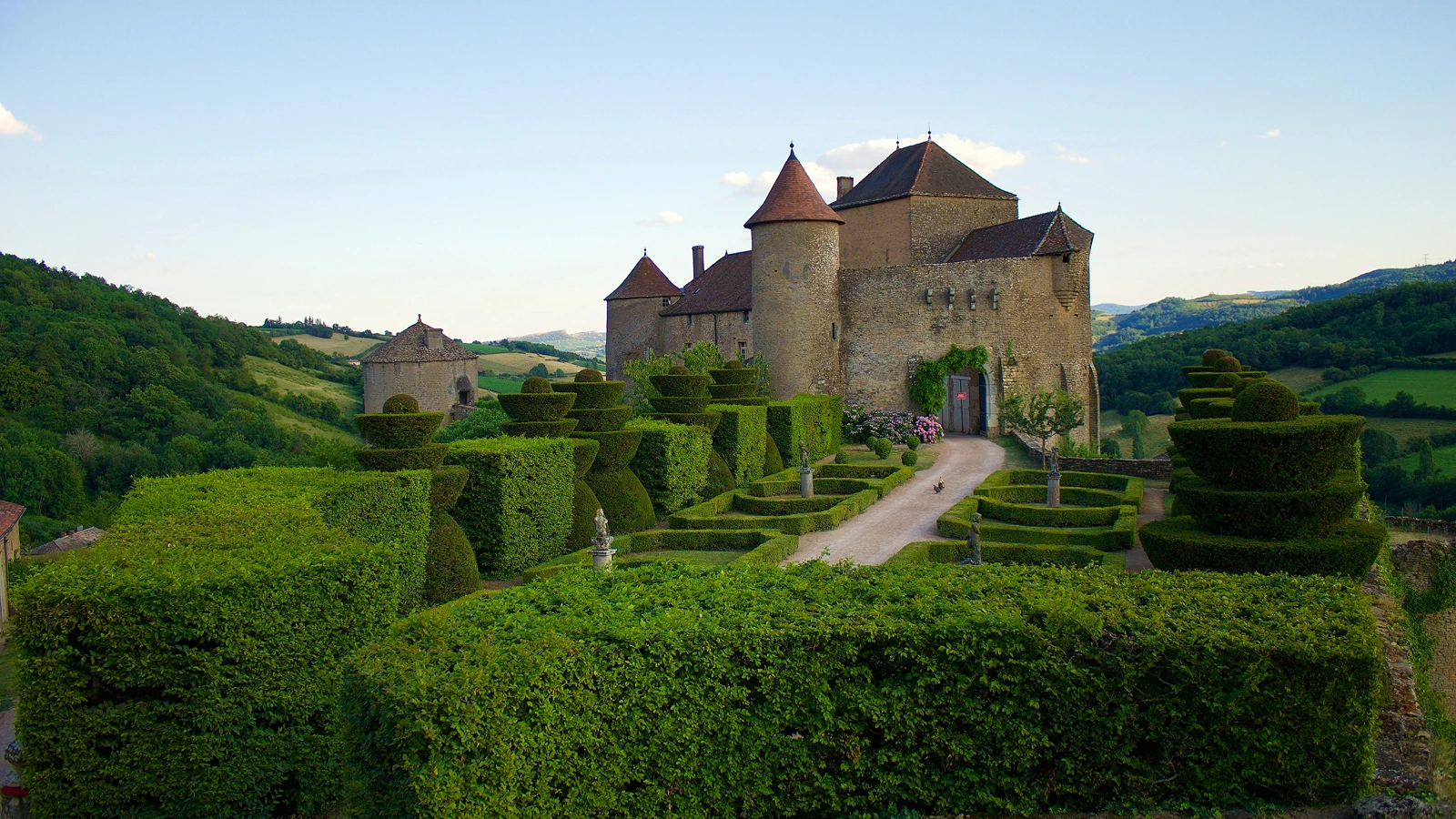
Burgundy Travel Guide to one of France’s most celebrated wine regions. From the historic cities of Dijon and Beaune to prestigious vineyards, charming villages, and world-renowned wineries, Burgundy offers an unforgettable blend of culture, gastronomy, and wine.
This guide explores the best places to visit, suggested itineraries, and the top things to do across Burgundy, helping you discover the region’s legendary terroir and authentic wine heritage.
Why Visit Burgundy?
There are countless things to do in Burgundy, making it one of France’s most rewarding destinations for travelers interested in culture, gastronomy, and history. The region blends centuries-old traditions with magnificent landscapes where every village tells its own story.
Although wine is undoubtedly Burgundy’s international reputation, visitors quickly discover much more than vineyards. Medieval towns, Romanesque churches, impressive château estates, scenic waterways, and exceptional cuisine create a destination that rewards slow exploration.
Whether you’re interested in architecture, local markets, or unforgettable wine tasting, visit Burgundy for an experience that reflects the very best of French heritage.
What Makes Burgundy One of the World’s Greatest Wine Regions?
Few places have shaped the history of French wine like Burgundy. For centuries, local monks perfected vineyard cultivation, establishing traditions that continue to influence global winemaking today.
Rather than producing large volumes, Burgundy focuses on expressing terroir through carefully managed vine parcels. This philosophy explains why wines from neighboring vineyards can display remarkably different personalities.
The region is particularly famous for Pinot Noir and Chardonnay, producing elegant red and white wine styles admired around the world. Together, they have made Burgundy wine synonymous with precision, balance, and excellence.
Why Is Beaune the Heart of Burgundy?
The historic town of Beaune is often considered the wine capital of the region. Surrounded by celebrated vineyard landscapes, it offers visitors an ideal introduction to Burgundy’s rich culture and gastronomy.
Its most iconic landmark is the magnificent Hospices de Beaune, a medieval charitable hospital famous for its colorful roof tiles and internationally renowned charity wine auction. Today it remains one of Burgundy’s most recognizable monuments.
Beyond its historic architecture, Beaune is home to countless tasting rooms, traditional restaurants, and underground wine cellars, making it one of the finest destinations for discovering authentic Burgundian hospitality.
What Should You See in Dijon?
While Beaune is famous for wine, Dijon offers a broader cultural experience. Once home to the powerful Dukes of Burgundy, the city preserves elegant medieval streets, Renaissance buildings, and impressive museums.
No visit is complete without tasting authentic mustard, one of Dijon’s most famous culinary traditions. Local markets, gourmet boutiques, and historic cafés showcase the city’s deep connection to regional gastronomy.
Walking through the old center also reveals magnificent churches, palaces, and the excellent Musée des Beaux-Arts, making Dijon an essential stop on any journey through Bourgogne.
Which Villages and Vineyards Should You Explore?
Beyond Beaune and Dijon, the true character of Burgundy comes alive in its picturesque towns and villages. Many of these communities have remained remarkably unchanged for centuries, surrounded by carefully cultivated vineyard landscapes.
The celebrated Côte de Beaune is home to several of the world’s most prestigious vineyards, producing numerous Grand Crus, Premier Cru, and other famous crus. Visiting these villages offers a deeper understanding of Burgundy’s extraordinary wine culture.
Throughout the countryside, family-owned estates, historic maison producers, and small wineries welcome visitors for intimate tastings, allowing travelers to experience the remarkable diversity of the wines of Burgundy directly from the source.
What Local Food Should You Try in Burgundy?
A journey through Burgundy is as much about gastronomy as it is about wine. The region has built an international reputation for combining exceptional local ingredients with centuries of culinary tradition, creating one of France’s finest dining destinations.
Classic dishes such as Boeuf Bourguignon, escargots, and regional cheese pair beautifully with local wines. Many restaurants emphasize food and wine pairings, allowing visitors to experience how Burgundy’s cuisine and vineyards complement one another.
From rustic bistros to elegant Michelin-starred restaurants, every meal reflects the region’s commitment to quality. Whether dining in Beaune, Dijon, or a small village, gastronomy becomes an essential part of discovering authentic Burgundian culture.
How Many Days Should You Spend in Burgundy?
The ideal amount of time in Burgundy depends on your interests, but most travelers benefit from spending at least three to five days in Burgundy. This allows enough flexibility to combine historic cities, vineyard visits, and leisurely countryside drives.
A well-balanced itinerary for Burgundy might begin in Dijon, continue through Beaune, and include several vineyard villages along the Côte before exploring the forests and lakes of the Morvan Natural Regional Park.
If your focus is wine, extending your stay provides opportunities for private tastings, visits to historic estates, and deeper exploration of the region’s diverse appellations.
What Is the Best Way to Explore Burgundy?
The best way to explore Burgundy is by traveling at a relaxed pace. While many visitors take the train from Paris to Dijon, having a vehicle provides greater freedom to reach small estates and rural villages.
Driving the region’s scenic route through vineyard landscapes reveals hidden wineries, charming hamlets, and magnificent countryside views. Cycling enthusiasts can also cycle along converted towpaths beside the historic canal, stopping in villages and vineyards along the way.
Whether by car or bicycle, taking time to travel around Burgundy allows visitors to appreciate why this landscape has earned international recognition, including sections designated as UNESCO World Heritage.
When Is the Best Time to Visit Burgundy?
Every season offers a different perspective on Burgundy. Spring brings fresh vineyards and blooming countryside, while summer fills villages with festivals, outdoor dining, and lively markets.
Autumn is particularly spectacular as the vineyards change color during the harvest season. It is also one of the best periods for wine tastings, with many estates welcoming visitors during one of the busiest moments of the wine calendar.
Winter provides a quieter atmosphere, ideal for museum visits, cellar experiences, and enjoying Burgundy’s renowned cuisine beside a fireplace in a historic château or boutique hotel.
Why Explore Burgundy with a Personalized Journey?
No two travelers experience Burgundy in the same way. Some are passionate about historic vineyards and legendary labels, while others prefer gastronomy, architecture, or exploring peaceful countryside villages.
France Intense creates tailor-made journeys that go beyond traditional tourism. Instead of following a fixed wine tour, every experience is carefully designed around your interests, whether that means private tastings, cultural visits, gourmet dining, or discovering lesser-known estates.
A personalized trip to Burgundy allows you to experience the region at your own pace, combining iconic destinations with exclusive local encounters. It’s the perfect way to discover Burgundy through meaningful experiences that reflect the authenticity of one of the world’s greatest wine destinations.
Key Things to Remember
- Burgundy is one of the world’s most prestigious wine regions.
- Beaune is the region’s wine capital and home to the iconic Hospices de Beaune.
- Dijon combines history, gastronomy, and the legacy of the Dukes of Burgundy.
- The Côte de Beaune is home to some of the world’s most celebrated vineyards and Grand Cru wines.
- Pinot Noir and Chardonnay define Burgundy’s winemaking tradition.
- Local cuisine, traditional cheese, and exceptional restaurants are essential parts of the experience.
- Exploring by car or bicycle offers the greatest flexibility to discover villages and vineyards.
- Burgundy is a year-round destination, with autumn being especially rewarding for wine enthusiasts.
- UNESCO-listed vineyard landscapes highlight the region’s cultural significance.
- France Intense designs personalized journeys through Burgundy, combining world-class wine, gastronomy, history, and authentic local experiences.

