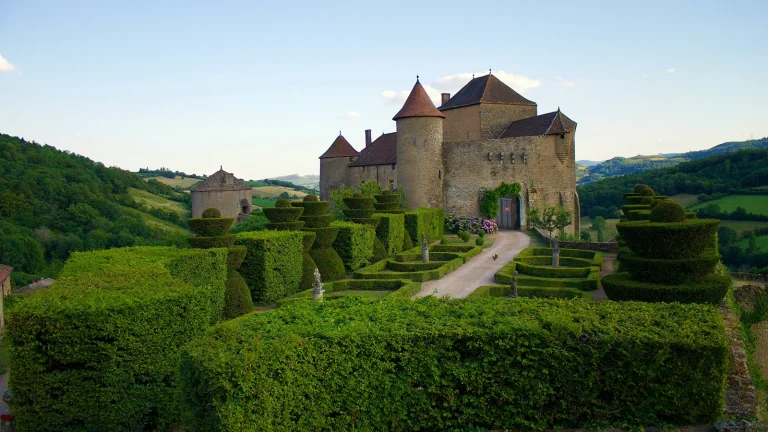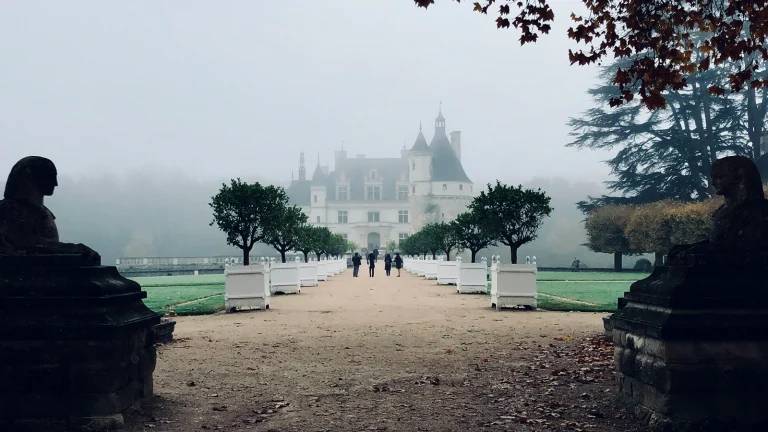
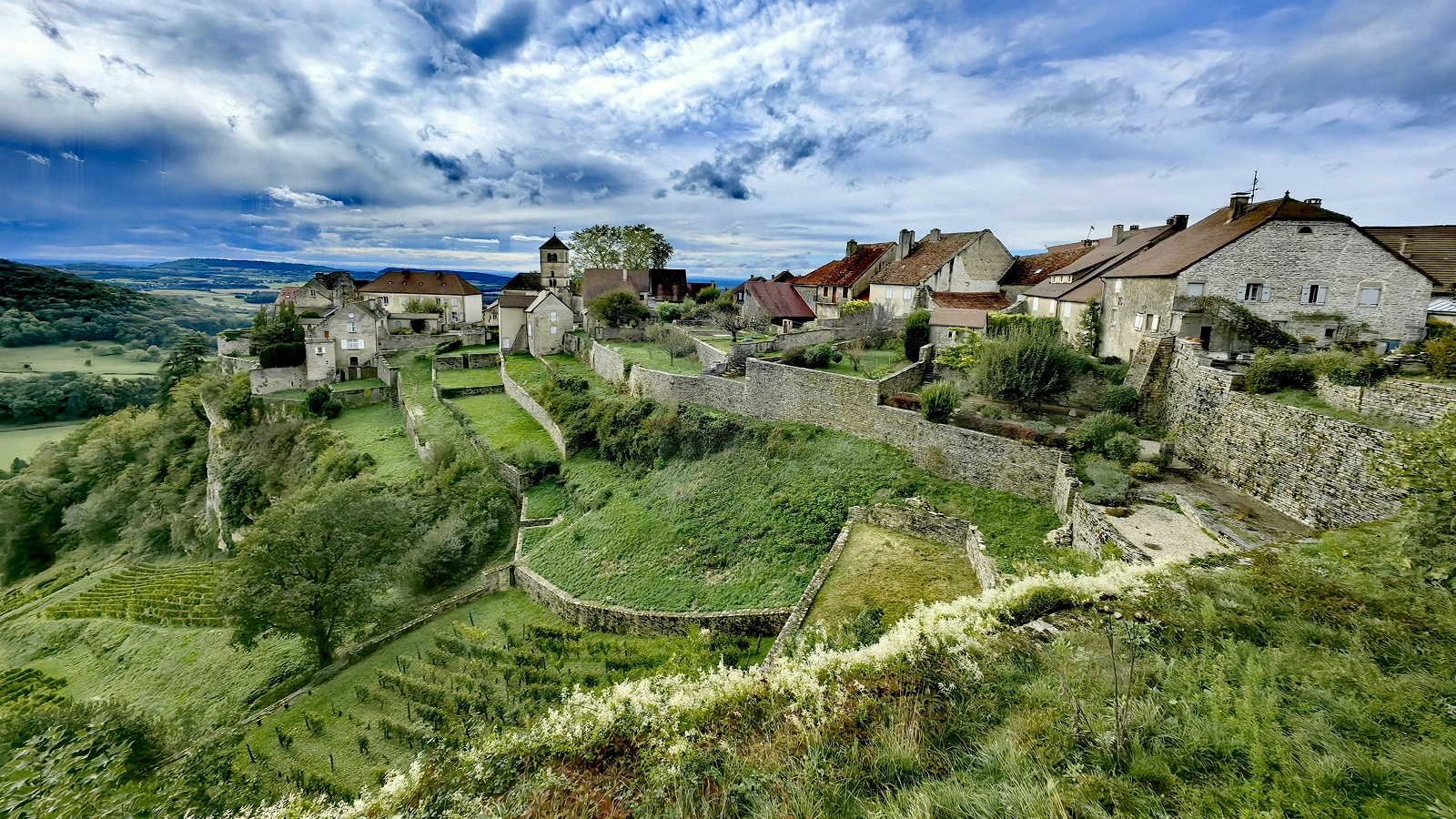
Burgundy Wine & Heritage reveals the unique relationship between terroir and centuries of French winemaking tradition. This guide explores Burgundy’s vineyards, grape varieties, legendary appellations, and the characteristics that make this region one of the world’s most respected wine destinations.
Burgundy is more than a destination for wine enthusiasts; it is a place where soil, climate, history, and human expertise come together to create some of the world’s most refined wines. From the Pinot Noir vineyards of the Côte de Nuits to the Chardonnay landscapes of Chablis and Mâconnais, every journey offers a deeper understanding of what makes Burgundy truly exceptional.
Table of Contents
- What Makes Burgundy Wine and Terroir So Unique?
- How Did Burgundy Become One of France’s Most Important Wine Regions?
- Inside Burgundy: How Do Pinot Noir and Chardonnay Define the Region?
- What Are the Main Burgundy Wine Regions and Appellations?
- How Does Soil Influence Burgundy Wine Characteristics?
- What Are Grand Cru and Premier Cru Vineyards in Burgundy?
- Exploring Côte de Nuits and Côte de Beaune: The Heart of Red Burgundy
- Why Is Chablis Famous for White Burgundy and Chardonnay?
- What Makes Mâconnais an Important Part of Burgundy Wine Culture?
- How Can Travelers Experience Burgundy Beyond Wine Tasting?
What Makes Burgundy Wine and Terroir So Unique?
Burgundy is one of the most fascinating wine regions in the world because its identity is built around the concept of terroir. Unlike regions where the reputation of a wine is mainly connected to a producer or grape variety, Burgundy places the vineyard itself at the center of wine production. Every small parcel of land has its own personality, influenced by soil, climate, exposure, and centuries of cultivation.
The idea of terroir explains why two vineyards located only a few meters apart can produce wines with completely different wine characteristics. The limestone-rich soil, slopes, and natural conditions shape the aroma, acidity, structure, and elegance found in Burgundy wine. This connection between land and wine has made Burgundy an essential reference for understanding fine wine.
The expression of Burgundy terroir is particularly visible through its two main grape varieties: Pinot Noir and Chardonnay. These grapes have adapted perfectly to the region, allowing winemakers to create wines that reflect the subtle differences between each vineyard and appellation.
How Did Burgundy Become One of France’s Most Important Wine Regions?
The history of Burgundy wine is deeply connected to French culture and tradition. Wine production in the region dates back to Roman times, but it was during the Middle Ages that Burgundy developed its unique approach to vineyards. Monks carefully studied the land, identifying differences between plots and documenting the characteristics of each vineyard.
These early observations created the foundation for the modern concept of Burgundy terroir. The monks recognized that different soils, slopes, and locations produced different wine expressions. Over time, these observations evolved into the classification system based on climats, small vineyard areas with distinct identities.
The Dukes of Burgundy also played an important role in promoting the region’s wines throughout Europe. Later, the French Revolution transformed vineyard ownership, dividing many large estates into smaller parcels. This fragmentation created the complex landscape of domaines and family producers that defines Burgundy today.
Inside Burgundy: How Do Pinot Noir and Chardonnay Define the Region?
Inside Burgundy, the story of wine is mainly the story of two grape varieties: Pinot Noir and Chardonnay. Together, Pinot Noir and Chardonnay represent the foundation of Burgundy wine and demonstrate the incredible versatility of the region’s terroir.
Pinot Noir dominates many of the vineyards producing red wine, especially in the Côte de Nuits and parts of the Côte de Beaune. This grape creates wines known for elegance, delicate structure, red fruit aromas, and remarkable aging potential. A great red Burgundy is rarely about power; instead, it focuses on precision, balance, and complexity.
Chardonnay is responsible for some of Burgundy’s most celebrated white wine expressions. From Chablis to Montrachet, Chardonnay reveals different personalities depending on the soil and vineyard location. Some wines highlight freshness and minerality, while others offer richness and depth.
What Are the Main Burgundy Wine Regions and Appellations?
The Burgundy wine region is divided into several areas, each with its own identity. Understanding a map of Burgundy helps wine lovers appreciate how geography influences wine production.
The northern area of Chablis is famous for its pure and mineral-driven Chardonnay wines. The cool climate and limestone soil create wines with exceptional freshness and acidity.
Further south, the Côte de Nuits is considered the heart of red Burgundy. This area is home to some of the most prestigious vineyards in the world, producing Pinot Noir with remarkable complexity.
The Côte de Beaune is known for both red and white wines, particularly exceptional Chardonnay from villages such as Meursault, Puligny-Montrachet, and Montrachet. The Mâconnais region, located farther south, offers a broader range of wines and has become increasingly recognized for quality Chardonnay.
How Does Soil Influence Burgundy Wine Characteristics?
The relationship between soil and wine is one of the most important elements of Burgundy terroir. The region’s geological diversity creates different environments where vineyards develop unique expressions.
Limestone is one of the most influential components of Burgundy soil. It contributes to the minerality and freshness often associated with Chardonnay wines. Other soil compositions, including clay and marl, influence the structure and depth of Pinot Noir.
A vineyard’s slope also plays an important role. Many prestigious vineyards are located on carefully positioned slopes where vines receive optimal sunlight and drainage. These natural conditions help vines produce grapes with concentration and balance.
For Burgundy winemakers, soil is not simply a growing medium; it is part of the identity of every cru vineyard and appellation.
What Are Grand Cru and Premier Cru Vineyards in Burgundy?
The classification system of Burgundy is one of the most detailed in the wine world. Instead of ranking producers, Burgundy classifies vineyards according to their quality and historical reputation.
At the highest level are Grand Cru vineyards. These exceptional plots represent a small percentage of Burgundy’s production and are known for producing some of the world’s most prestigious wines. Grand Cru wines often have extraordinary complexity, aging ability, and value.
Below Grand Cru are Premier Cru vineyards, which also represent highly respected locations with distinctive characteristics. Village wines come from vineyards within specific communes, while regional Bourgogne wines represent a broader classification.
Famous examples include Romanée-Conti from Domaine de la Romanée-Conti, Clos de Vougeot, and La Tâche. These names represent the extraordinary reputation Burgundy has achieved among collectors, wine investors, and enthusiasts.
Exploring Côte de Nuits and Côte de Beaune: The Heart of Red Burgundy
The Côte de Nuits is one of the most celebrated areas for Pinot Noir. Located north of Beaune, this narrow wine region contains many legendary communes and Grand Cru vineyards.
Villages such as Gevrey-Chambertin, Vosne-Romanée, and Vougeot produce wines recognized for elegance, depth, and complexity. The famous Clos de Vougeot vineyard represents centuries of Burgundy tradition and remains an important symbol of French wine heritage.
The Côte de Beaune offers a more diverse style of production, combining exceptional red wines with some of the world’s finest Chardonnay. Villages such as Pommard are known for structured red Burgundy, while Montrachet represents the pinnacle of white Burgundy.
Together, these two areas define much of Burgundy’s global reputation.
Why Is Chablis Famous for White Burgundy and Chardonnay?
Chablis is one of Burgundy’s most recognizable names and a perfect example of how terroir shapes wine. Located in the northern part of the region, Chablis produces almost exclusively Chardonnay-based wines.
The cool climate and limestone-rich soil create wines with remarkable freshness, acidity, and minerality. Unlike richer Chardonnay styles from warmer regions, Chablis is often associated with purity and precision.
The appellation includes different levels of classification, including Premier Cru and Grand Cru vineyards. These distinctions reflect differences in vineyard location and quality.
For many wine lovers, Chablis represents the purest expression of Burgundy Chardonnay and demonstrates how a single grape variety can reveal different personalities through terroir.
What Makes Mâconnais an Important Part of Burgundy Wine Culture?
Mâconnais is the southernmost major area of Burgundy and has gained increasing recognition among wine enthusiasts. Known primarily for Chardonnay, this region combines tradition with a more accessible style of wine production.
The warmer climate allows grapes to reach greater maturity, creating wines with generous fruit flavors while maintaining the freshness associated with Burgundy.
Villages such as Pouilly-Fuissé have become highly respected for their white wines, showing that Burgundy extends far beyond the famous names of the northern vineyards.
For travelers exploring Burgundy, Mâconnais offers beautiful landscapes, historic villages, and opportunities to discover lesser-known villages and passionate producers.
How Can Travelers Experience Burgundy Beyond Wine Tasting?
A journey through Burgundy is about much more than tasting wine. The region offers an opportunity to experience French culture through landscapes, gastronomy, history, and personal encounters with local producers.
Private vineyard visits allow travelers to meet winemakers, explore domaines, and understand the philosophy behind Burgundy wine production. These experiences reveal the human side of the region and create a deeper connection with the wines.
Burgundy’s villages, historic architecture, and culinary traditions complete the experience. From local markets to carefully prepared meals paired with regional wines, Burgundy represents the French art de vivre.
For those seeking authentic travel experiences, Burgundy offers a rare combination of heritage, craftsmanship, and timeless elegance.
Final Thoughts: What to Remember About Burgundy Wine and Terroir
- Burgundy is one of France’s most prestigious wine regions because of its unique relationship between land and wine.
- The concept of terroir defines Burgundy, connecting soil, climate, vineyard location, and winemaking tradition.
- Pinot Noir and Chardonnay are the essential grape varieties behind Burgundy’s reputation.
- The Côte de Nuits is famous for exceptional red wine, while the Côte de Beaune is celebrated for both red and white expressions.
- Chablis represents a pure expression of Chardonnay shaped by limestone soil and cool climate.
- Grand Cru and Premier Cru vineyards represent the highest levels of Burgundy classification.
- Mâconnais offers a different perspective on Burgundy with elegant Chardonnay and authentic experiences.
- Burgundy is not only about wine; it is about history, gastronomy, landscapes, and French heritage.
- Understanding Burgundy means understanding how place can influence the identity of a great wine.